What to Know Before Manufacturing Cosmetics in Korea
Korea offers a highly developed cosmetics manufacturing ecosystem, but choosing the right manufacturing route requires more than finding a factory. The decisions made before production can determine the success of the entire project.
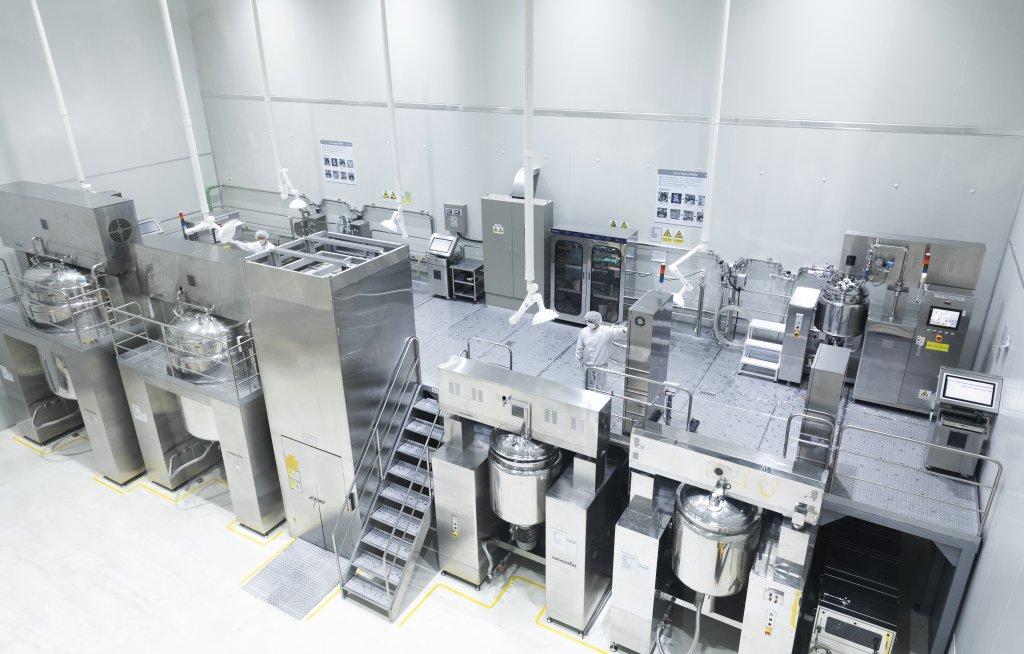
Korea has become one of the world's most sophisticated ecosystems for cosmetic product development and manufacturing.
For an international brand, that creates enormous opportunity, but it can also make the process feel complicated.
One of the first decisions is understanding the difference between OEM, ODM and custom development.
With OEM, a brand generally brings a formula or a defined product specification to a manufacturer. ODM can involve a greater level of formulation and product development support, while fully custom development involves building the product around a specific concept and brief.
The right route depends on what the brand already has.
The product category matters too. A serum, cream, cleanser, sunscreen or scalp treatment can require very different formulation and manufacturing capabilities.
Packaging should also be considered earlier than many first-time brands expect. Component availability, minimum quantities, compatibility and tooling can influence both cost and timeline.
Then there is the destination market.
A product developed in Korea still needs to comply with the requirements of the market where it will ultimately be sold. Claims, ingredients, documentation, testing and labeling should therefore be considered during development, rather than treated as a final step.
The most successful projects begin with a clear brief.
What is the product? Who is it for? Where will it be sold? What should it feel like? What volume is realistic? What price does the brand need to achieve?
Answering those questions early makes the Korean manufacturing ecosystem much easier to navigate.